The Vent Tube is a custom built ventilation system which delivers fresh air directly to the animals. Suitable for all dairy barns, horse stables and any other animal housing arrangment regardless of species.
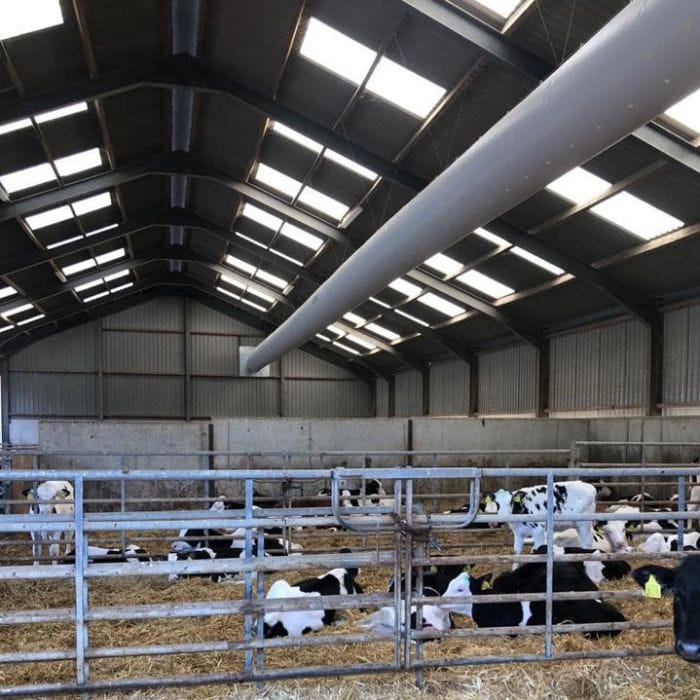
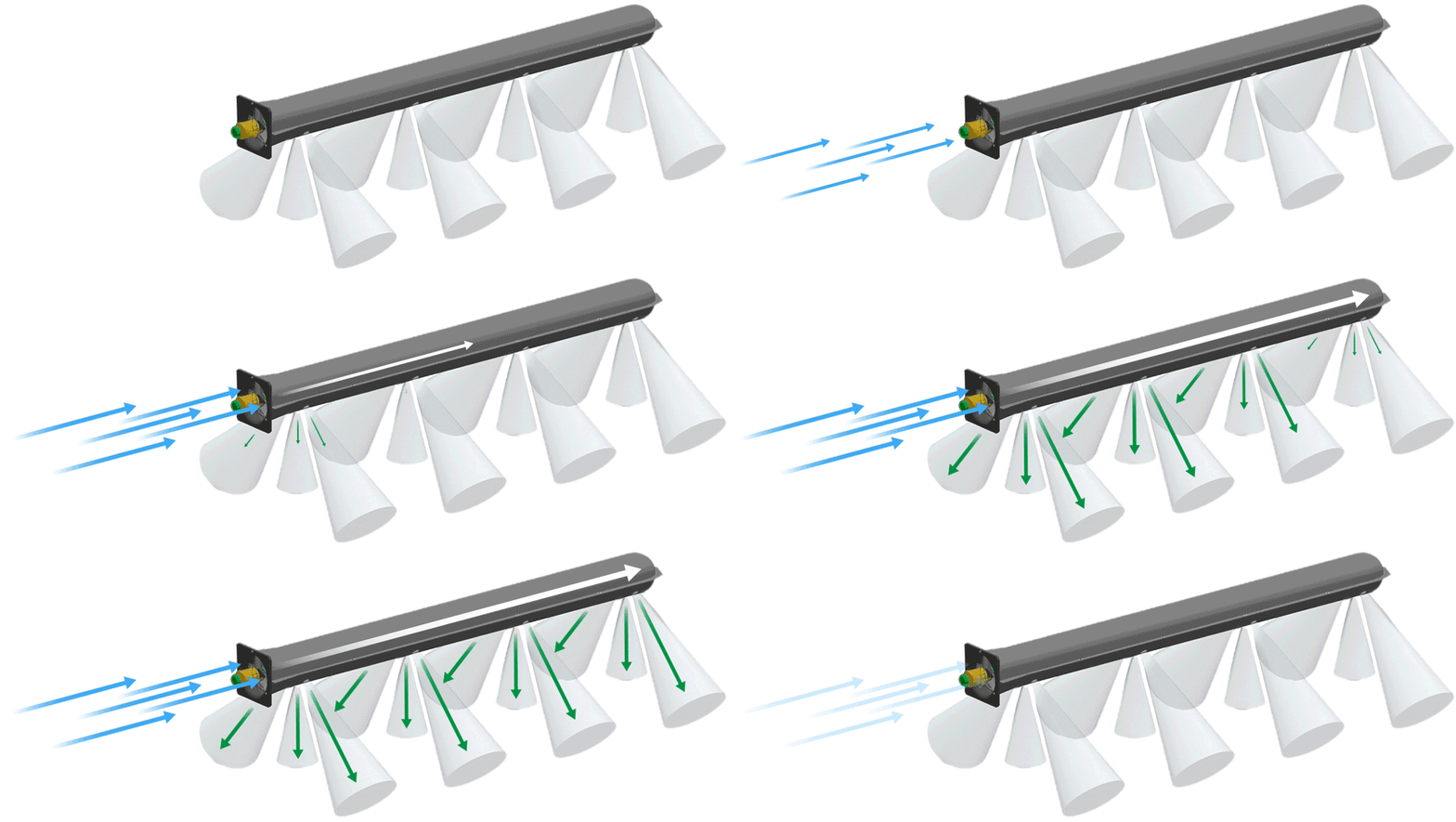
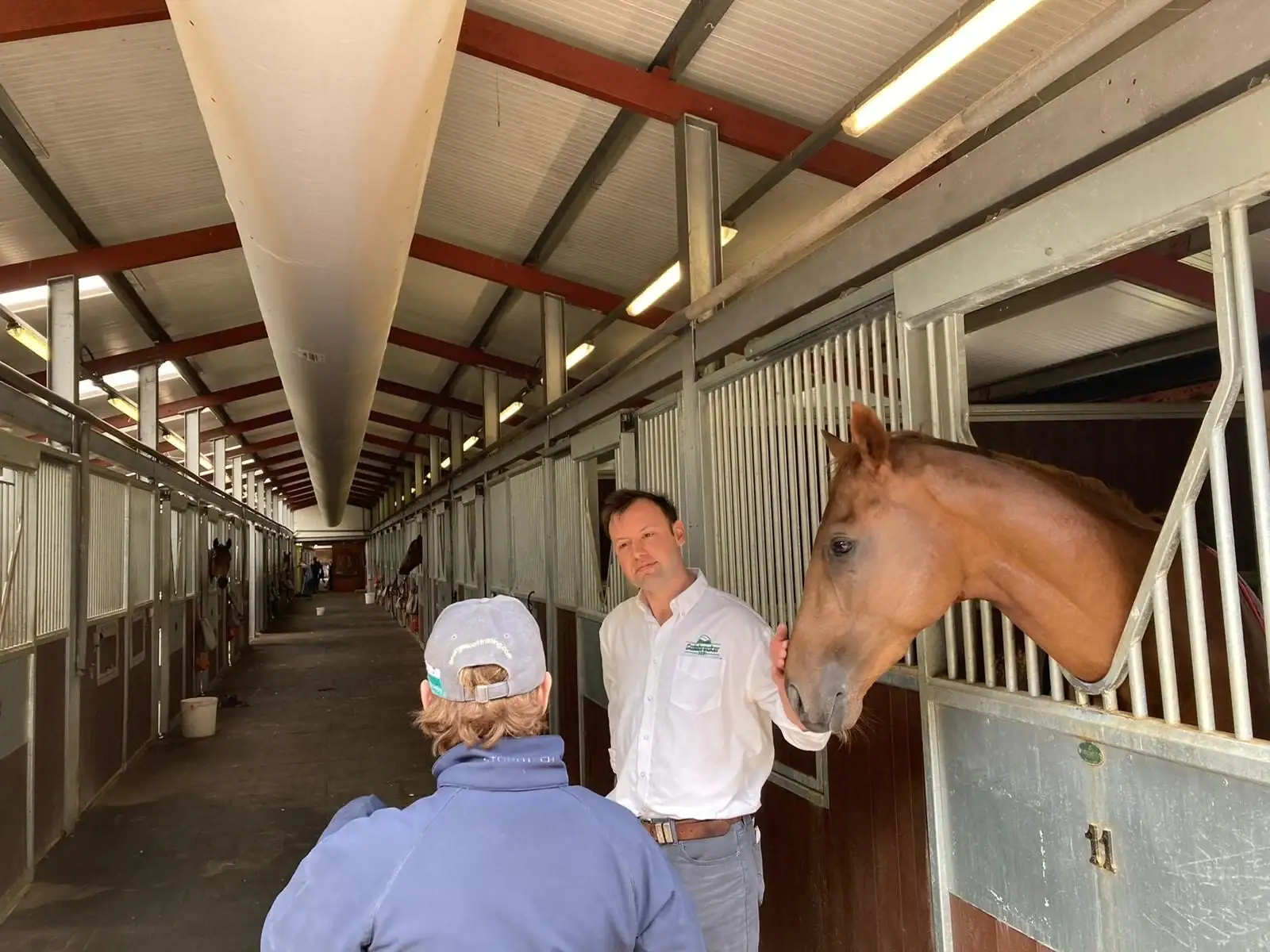
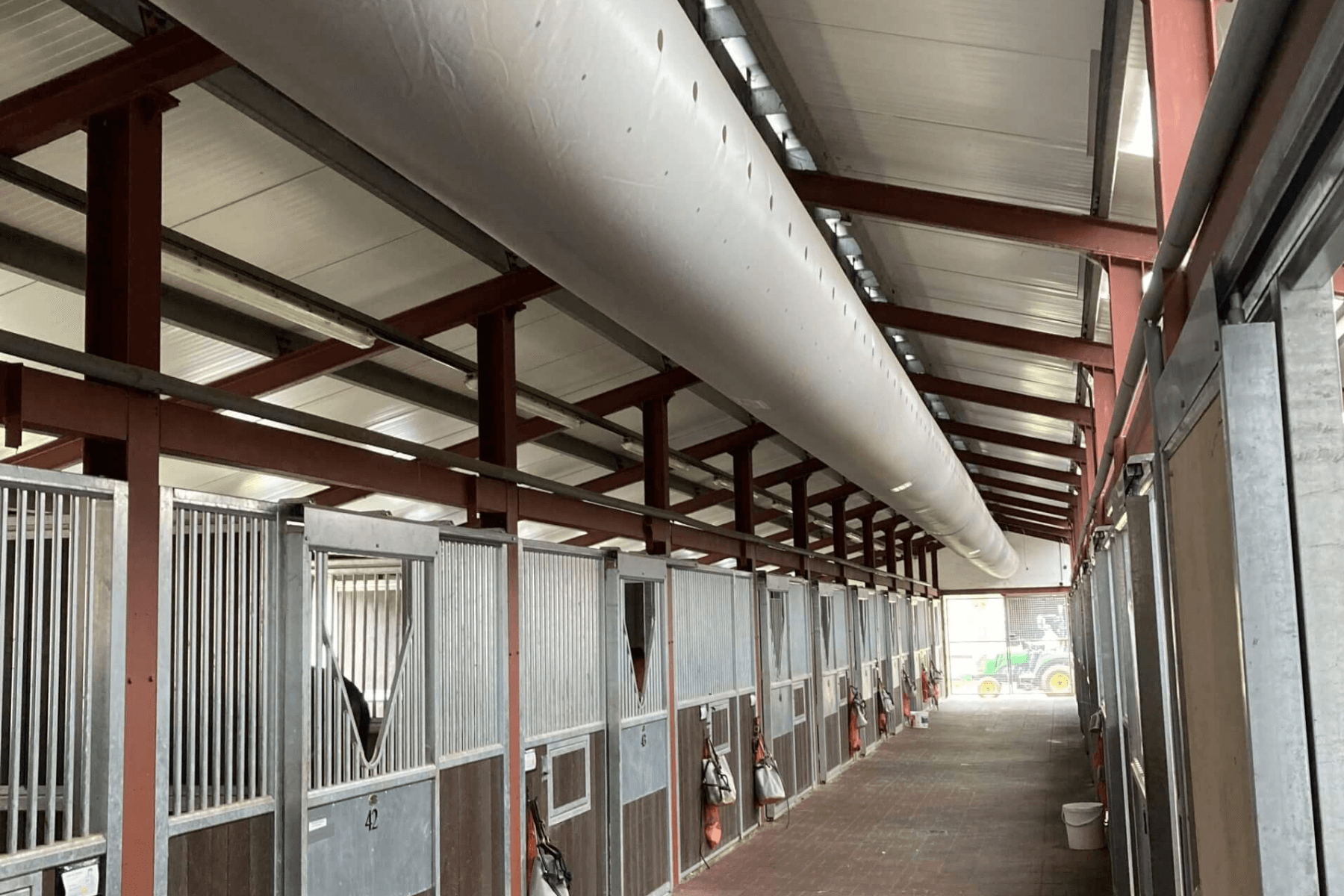
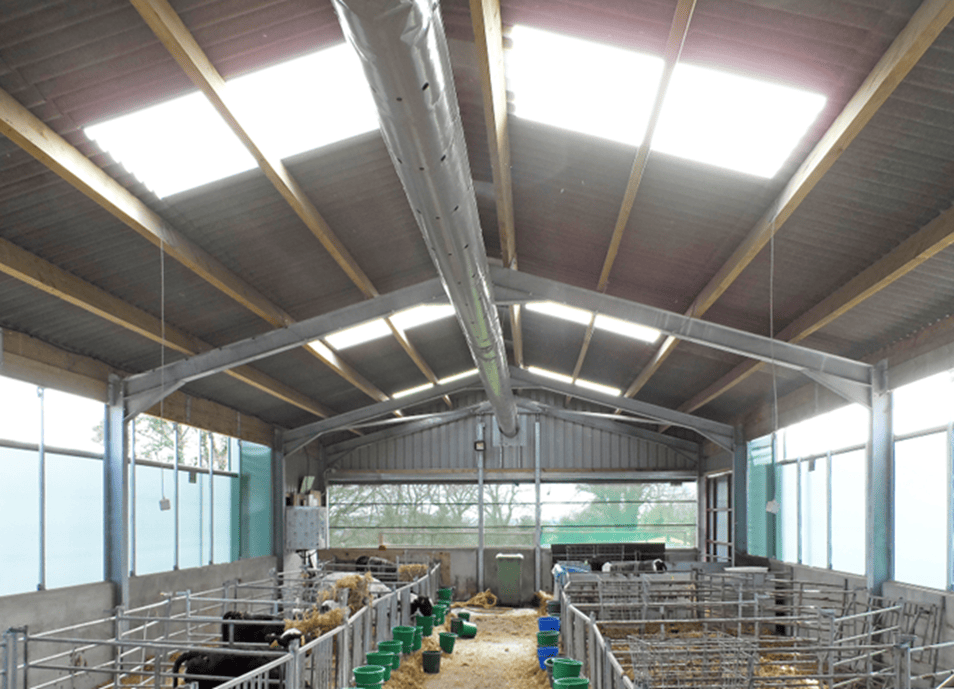
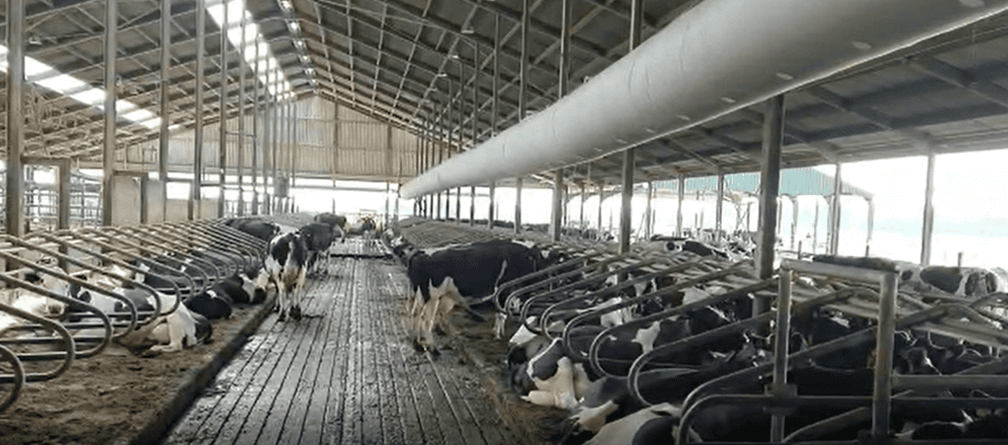
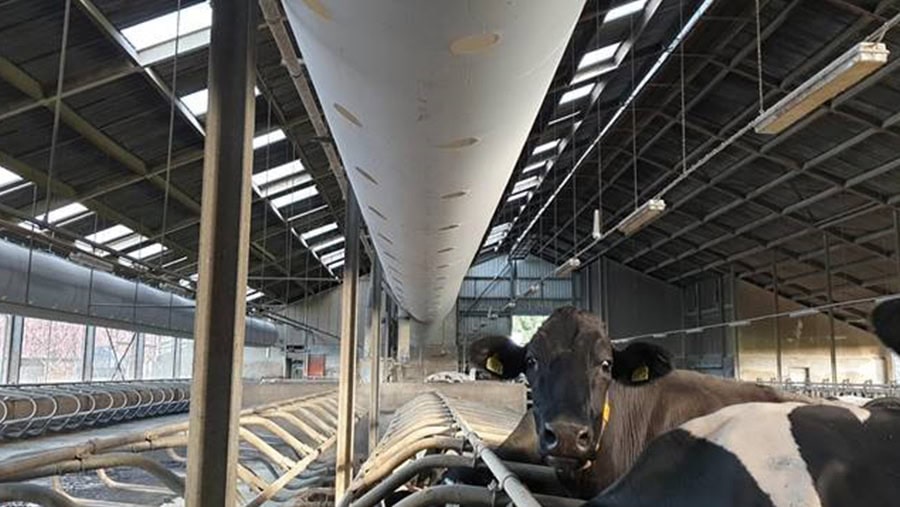
Inadequate ventilation is a leading and largely preventable cause of respiratory disease, heat stress, and production loss in livestock operations. The Galebreaker VentTube range delivers a precisely calculated supply of fresh, evenly distributed air at animal level, removing excess heat, moisture, harmful gases, and airborne pathogens continuously. Custom-engineered to each building’s specific dimensions and livestock requirements, the complete kit system includes fan, tube, and mechanical retraction in one installation-ready package. VentTube Fresh and VentTube Cool – serve all stock categories and climate requirements.
Ventilation is the most consequential and most frequently underestimated environmental management decision in a livestock building. The air quality inside a livestock barn determines the respiratory health of every animal in it — the bacterial and viral load that circulates in poorly ventilated air is the primary driver of pneumonia, the leading cause of livestock mortality and the most economically damaging disease category in young stock management. For dairy herds, poor ventilation carries the additional consequences of heat stress — a condition that suppresses milk yield, reduces conception rates, elevates somatic cell counts, and generates the compounding economic losses that inadequate airflow produces across an entire lactation. The Galebreaker VentTube range is engineered to eliminate both risk categories simultaneously.
The Ventilation Problem in Livestock Buildings
Natural ventilation — relying on building orientation, ridge openings, and inlet management — is adequate in moderate climates under optimal conditions. It is inadequate when conditions change: when summer temperatures rise, when wind patterns shift, when animal stocking density increases, or when building design limits natural airflow. In those circumstances, the air at animal level — where animals breathe — accumulates moisture, ammonia, carbon dioxide, and the airborne pathogen load that respiratory disease requires to establish and spread. The animals most vulnerable to poor air quality at ground level are the youngest, whose immune systems have not yet developed the resistance that older stock carry, and lactating dairy cows, whose high metabolic rate generates the body heat that compounds heat stress risk in warm conditions.
Conventional fan ventilation systems — typically ceiling-mounted or wall-mounted — move air through the building but often fail to deliver it where it is needed most: at animal level, across the full width and length of the building, in a controlled and evenly distributed pattern that reaches every animal regardless of their position. The VentTube system addresses that distribution failure directly.
VentTube Fresh: Controlled Air Delivery at Animal Level
The VentTube Fresh system is designed for younger stock applications where respiratory health protection is the primary ventilation objective. Pneumonia in calves and young stock is predominantly an airborne pathogen transmission problem — one that is directly managed by reducing the concentration of airborne bacteria and viruses in the air at the level where young animals breathe. The VentTube Fresh achieves this through a precisely calculated supply of fresh air delivered through the tube length at animal level, creating the positive pressure airflow that continuously dilutes and displaces the stale, pathogen-laden air that accumulates in inadequately ventilated livestock housing. The system simultaneously expels warm, stale air from the building — maintaining the pressure differential that drives continuous air exchange — while removing the excess moisture that elevates relative humidity and creates the conditions that pathogen populations require to survive and spread on building surfaces and in the breathing zone. The result is a persistently fresher, drier, and lower-pathogen air environment at exactly the level where it determines animal health outcomes.
VentTube Cool: Heat Stress Prevention for Dairy Herds
Dairy cows begin to experience heat stress at barn temperatures above approximately 25°C — a threshold that is regularly exceeded in New Zealand’s warmer regions during summer months and that can be reached inside livestock buildings even when external temperatures are moderate, due to the metabolic heat generated by a milking herd. The consequences of heat stress in dairy cows are well-documented and commercially significant: milk yield reductions of 10–25% are commonly reported, conception rates fall as reproductive efficiency is suppressed by elevated body temperature, somatic cell counts rise as immune function is compromised, and the cumulative production losses across a heat stress period can represent thousands of dollars per affected cow.
The VentTube Cool system addresses heat stress through a precisely engineered combination of increased air volume and velocity — calculated specifically for each building to achieve the cooling airflow at animal level that reduces perceived temperature and supports the cow’s thermoregulatory capacity. The airflow is distributed evenly across the full building width through the tube length, ensuring that every animal in the building receives the same cooling benefit regardless of her position relative to conventional side-wall or ceiling-mounted fan installations. The system functions simultaneously as a heat stress management tool and a fresh air delivery system — addressing both the temperature and the air quality dimensions of barn environment management in a single installation.
Custom Engineering: The Performance Differentiator
Both VentTube configurations are custom-engineered for each installation — not selected from a standard size catalogue and installed with generic calculation assumptions. The specific livestock category, stocking density, building dimensions, roof pitch, ridge height, inlet configuration, and prevailing climate conditions are all incorporated into the engineering calculation that determines tube diameter, perforation pattern, perforation size, fan specification, and air delivery volume for each installation. This custom engineering approach is what allows the VentTube system to deliver the precisely calculated airflow at animal level that differentiates it from generic ventilation alternatives — and it is the basis on which the performance guarantee and warranty are provided.
Materials, Construction, and Retraction
VentTube systems are manufactured from industrial-grade PVC with welded seams — a material specification chosen for the combination of flexibility, pressure resistance, and long-term durability that a permanently pressurised tube installation in a livestock environment requires. The welded seam construction eliminates the failure points that mechanically joined or bonded seam alternatives develop under sustained internal pressure across an extended service life.
The mechanical retraction system allows the tube to be compacted and stored when not required — protecting it from crosswind damage that could otherwise compromise tube integrity and airflow performance. This retraction capability is particularly valuable in seasonal operations where the ventilation system’s requirements change significantly between summer and winter, and where protecting the tube investment across periods of reduced use is an operational priority.
The Complete Kit Advantage
The VentTube system is supplied as a complete installation kit — fan and tube components specified together, matched to each other’s performance characteristics, and backed by individual manufacturer guarantees. The complete kit format eliminates the compatibility uncertainty and performance responsibility ambiguity that arises when ventilation system components are sourced separately from different suppliers. One specification. One installation. One warranty. One system that is guaranteed to perform as engineered from the day it is commissioned.