Maintaining air quality by removing stale air, heat, smell, moisture, ammonia, and pathogens is a key measure to ensure animal and worker welfare.

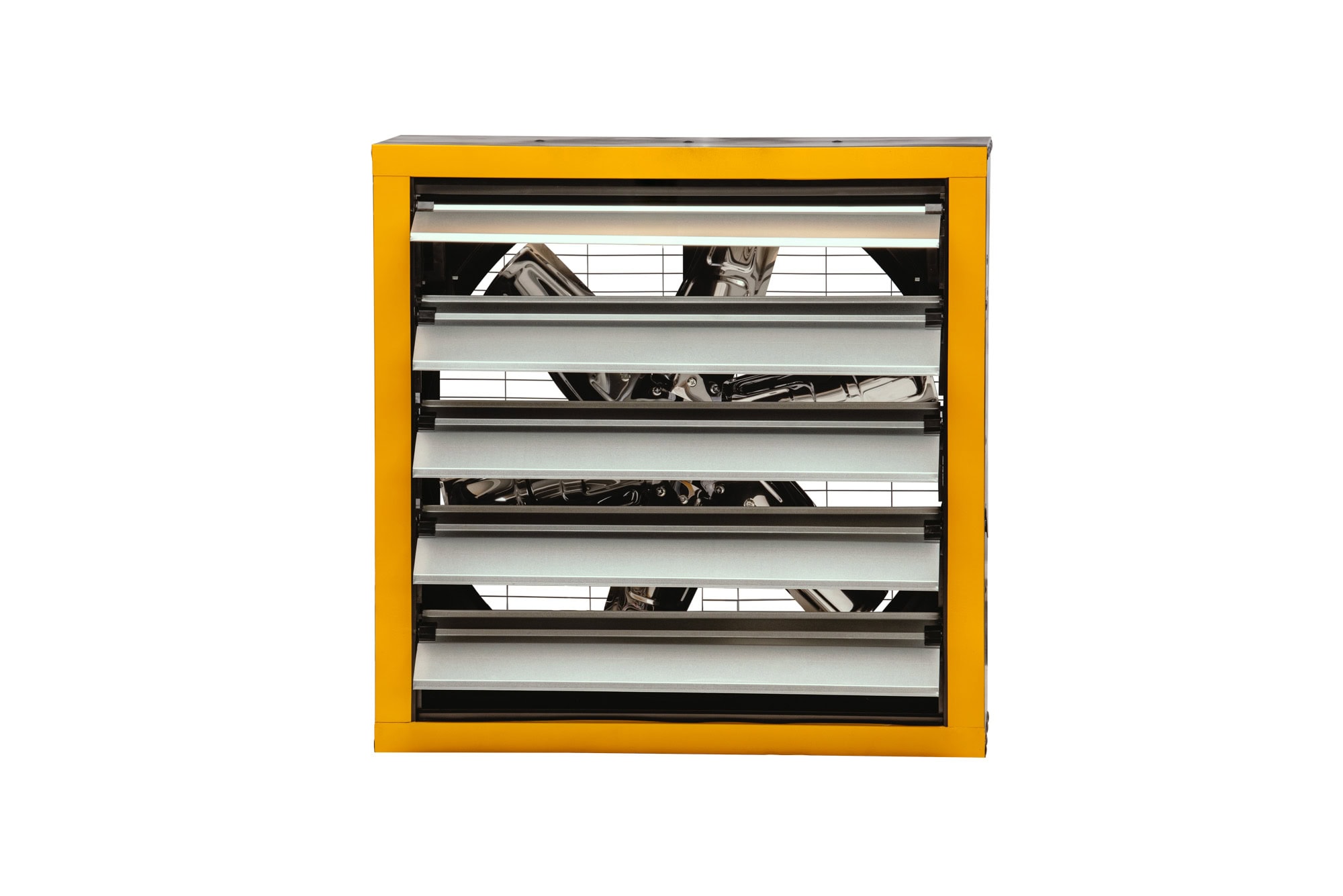
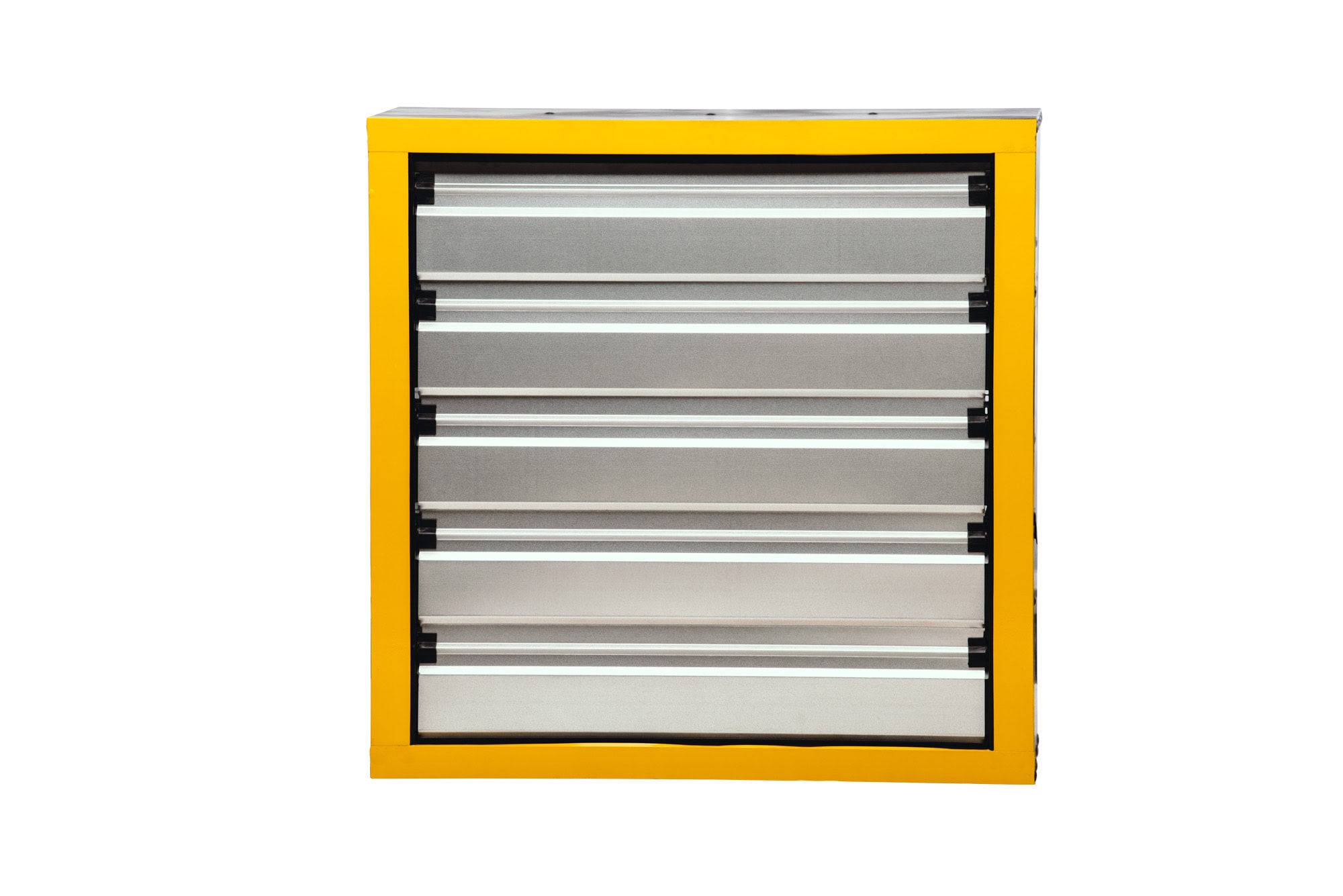
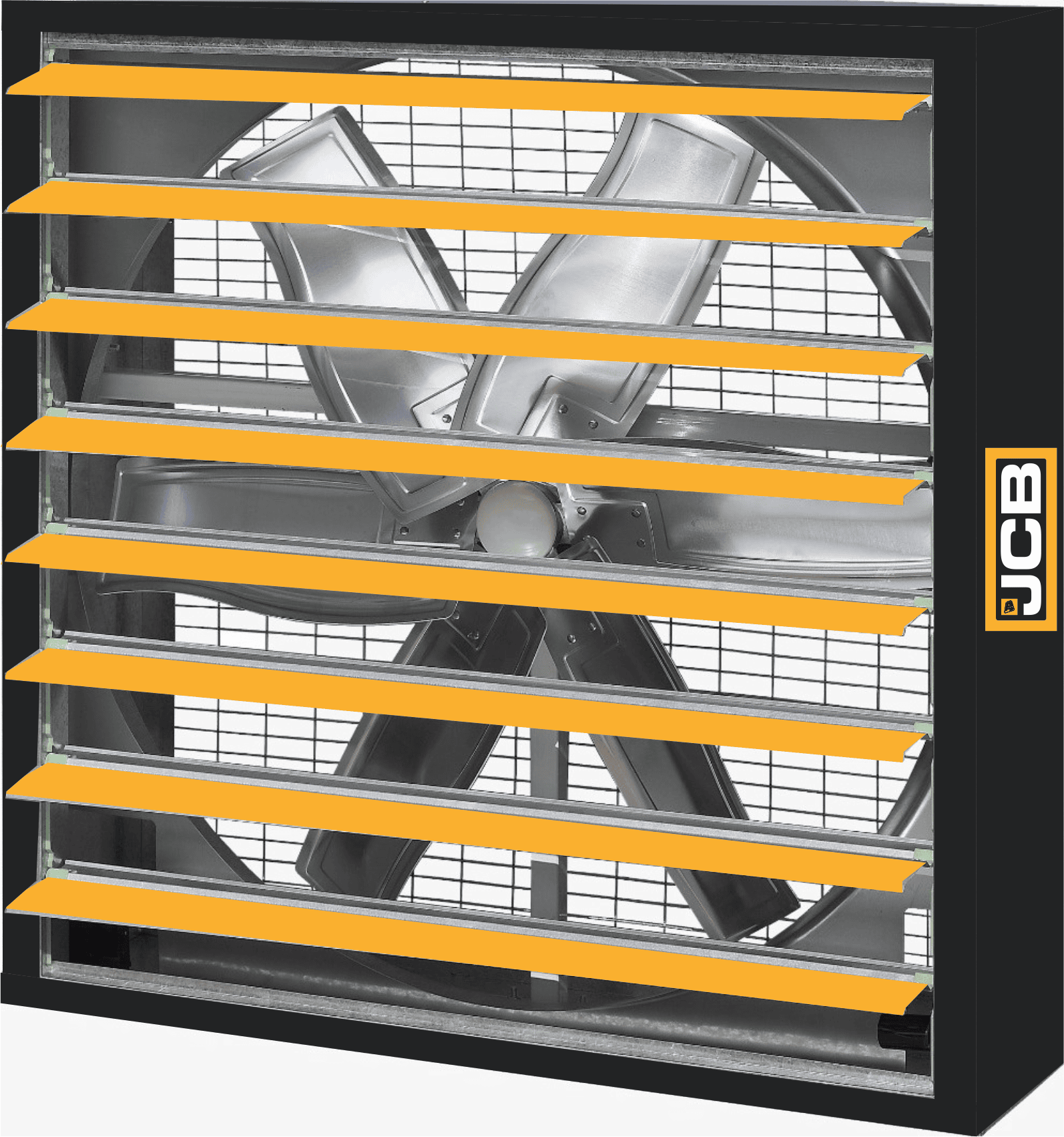
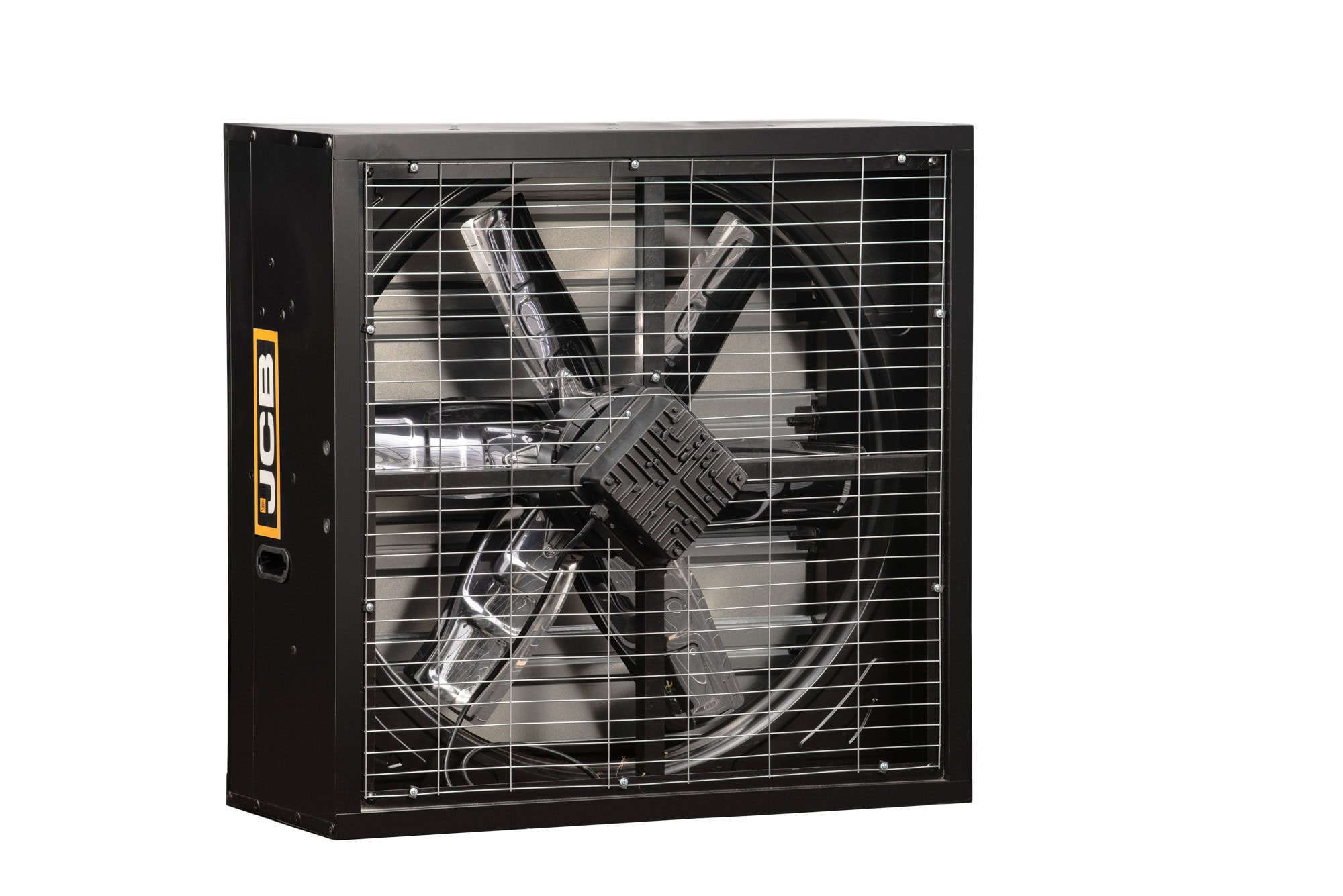
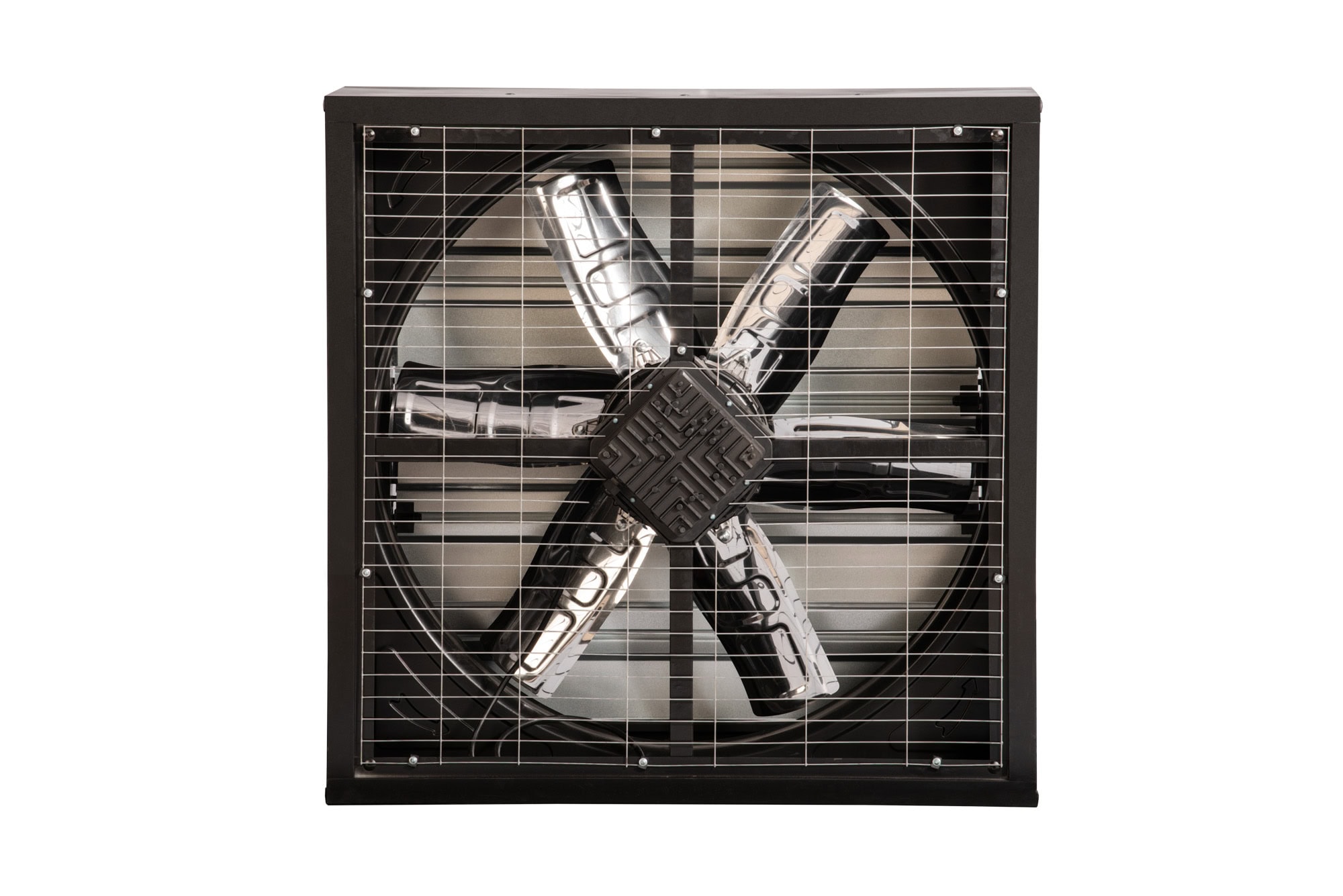
Stagnant, contaminated barn and building air is a direct threat to animal health, worker safety, and operational productivity. The JCB ProEx range removes it; drawing heat, moisture, ammonia, pathogens, and stale air out while gravity louvres prevent unwanted ingress when the fan is at rest. Polished stainless steel blades, IP65-rated PMSM direct-drive motors with integrated inverters, and zero maintenance requirements combine into a durable, energy-efficient exhaust solution for dairy barns, poultry houses, greenhouses, processing facilities, and industrial buildings across three model sizes.
The air inside a livestock building, processing facility, or industrial workspace is not static — it accumulates. Heat generated by animal metabolism and industrial processes raises internal temperature progressively above external ambient. Moisture from respiration, urine, and wet processes raises humidity to the levels that sustain pathogen survival, accelerate building material degradation, and create the condensation that compromises structural integrity over time. Ammonia released from manure reaches concentrations that damage respiratory mucosa and suppress immune function in both animals and humans. Carbon dioxide from respiration accumulates to concentrations that reduce alertness and productivity. And airborne bacterial and viral load builds to transmission thresholds that drive the respiratory disease incidence that costs dairy and poultry operations significantly every year. The solution to all of these accumulating problems is the same: remove the contaminated air and replace it with fresh air from outside. The JCB ProEx Exhaust Fan range is engineered to do exactly that; efficiently, reliably, and at energy and maintenance costs that justify continuous operation across the full ventilation periods that productive agricultural and industrial environments require.
Exhaust Performance Across Three Model Sizes
The ProEx range covers three airflow output levels — 23,000 m³/h (ProEx 800J), 32,000 m³/h (ProEx 1000J), and 44,500 m³/h (ProEx 1300J), providing the model selection flexibility to match exhaust capacity to the specific volume and air change rate requirements of each installation. Single units serve barn bays and processing zones directly, while multiple units can be coordinated to serve larger spaces with the air change frequency that ventilation design requires. Both the 1000J and 1300J deliver their respective airflow outputs at remarkably low energy consumption, 0.55 kW and 0.70 kW respectively, making continuous operation across full daily ventilation periods economically rational in a way that less efficient alternatives are not.
Motor Engineering: The Maintenance-Free Advantage
The PMSM brushless direct-drive motor is the engineering decision that distinguishes the ProEx range from conventional belt-drive exhaust fan systems, that makes the zero maintenance requirement claim operationally credible rather than aspirational. Belt-drive exhaust fans require periodic belt tension adjustment, belt replacement as belts stretch and wear across operational hours, pulley alignment maintenance, and the scheduled downtime those interventions generate. In agricultural and industrial environments operating continuously across 24-hour periods, the accumulated maintenance cost and operational disruption of belt-drive systems is significant across a service life.
The PMSM direct-drive eliminates every one of those maintenance requirements by removing every one of those components. The motor drives the blade hub directly — no belt, no pulley, no gearbox, no transmission components to service, adjust, or replace. The brushless motor design eliminates brush wear as a service requirement. The integrated inverter is mounted as part of the motor assembly rather than as a separate component requiring independent installation and wiring. The result is a fan system that is installed, connected, and operated — with no scheduled maintenance interventions required across its warranted service life.
Blade Construction and Aerodynamic Performance
The six polished stainless steel blades of the ProEx range are specified for both aerodynamic performance and environmental durability. Stainless steel blade construction provides the corrosion resistance required for sustained operation in the high-humidity, ammonia-laden environments of working dairy barns, poultry houses, and wet processing facilities where conventional blade materials: painted or powder-coated mild steel, progressively corrode and lose structural integrity under sustained chemical and moisture exposure. The polished finish reduces surface roughness that can accumulate dust and organic deposits over time, maintaining consistent aerodynamic performance as the installation ages.
Gravity Louvres: Passive Ingress Protection
The gravity louvre system provides the passive ingress protection that wall-mounted exhaust fans in agricultural and industrial environments require. When the fan operates, the airflow pressure opens the louvres automatically, providing unobstructed exhaust flow across the full aperture. When the fan stops, the louvres close under gravity, preventing rain, wind-driven debris, insects, birds, and rodents from entering the building through the exhaust aperture. This passive automatic operation requires no actuator, no control signal, and no maintenance, the louvres perform their protection function for the service life of the installation without any attention.
Agricultural Applications
In dairy barns, exhaust fans serve the negative pressure ventilation strategy that is used in conjunction with controlled inlet systems to manage air change rate, temperature, and air quality. The ProEx units draw stale, warm, ammonia-laden barn air out through wall-mounted exhaust positions while fresh outside air enters through ridge inlets, side wall inlets, or positive pressure tube ventilation systems on the opposite side of the barn. The combination of exhaust and supply airflow creates the controlled air exchange that reduces heat stress risk, manages ammonia concentration, and maintains the respiratory air quality that herd health requires.
In poultry houses, exhaust ventilation is the primary environmental management tool for temperature, humidity, and air quality control, with the ventilation rate directly determining the carbon dioxide, ammonia, and moisture concentrations that affect bird health, feed conversion efficiency, and growth rate. The ProEx 1300J’s 44,500 m³/h output provides the high exhaust capacity that high-density poultry operations require from individual fan positions.
In greenhouses, processing facilities, workshops, and industrial buildings, the ProEx range removes the heat, moisture, process vapours, and airborne contaminants that accumulate in enclosed working spaces, maintaining the temperature and air quality conditions that worker productivity, product quality, and occupational health standards require.
Dual-Mode Versatility
The ProEx fans can be operated in both exhaust mode – drawing air out of the building, and supply mode – drawing fresh outside air in. This dual capability provides the installation flexibility to serve both negative pressure exhaust ventilation strategies and positive pressure supply ventilation strategies from the same unit, and allows the ventilation system to be reconfigured as operational requirements change without equipment replacement.