Engineered alley cleaning, automated to protect hoof health, hygiene, and milk production.
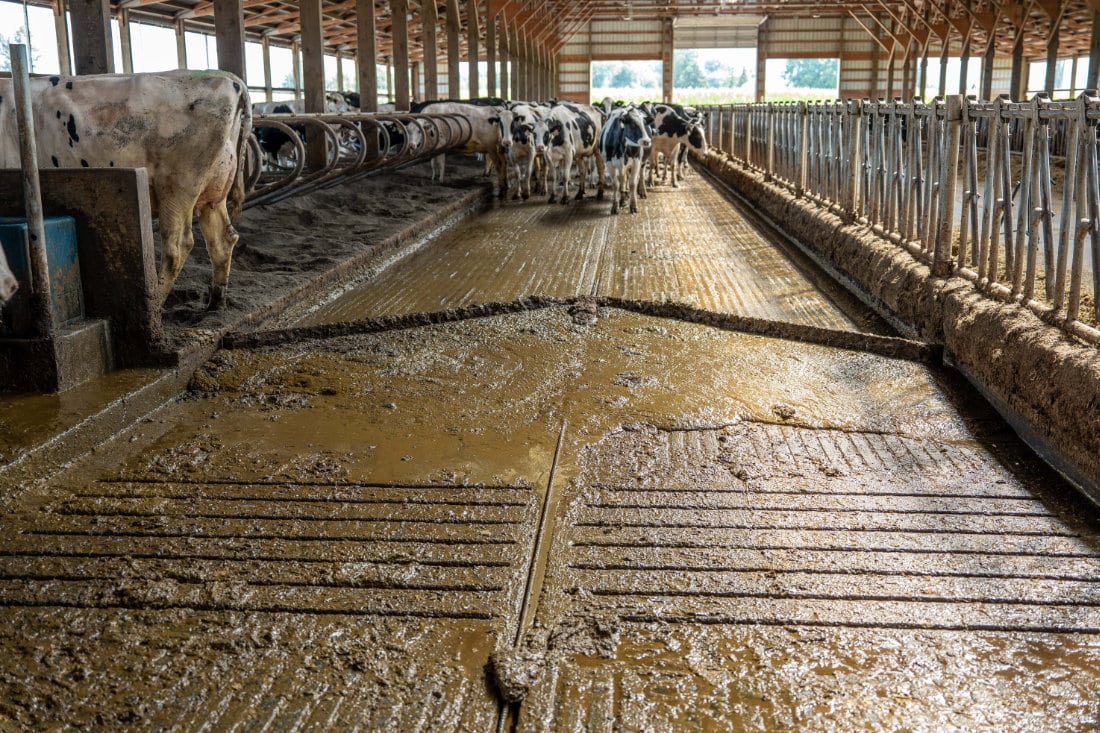
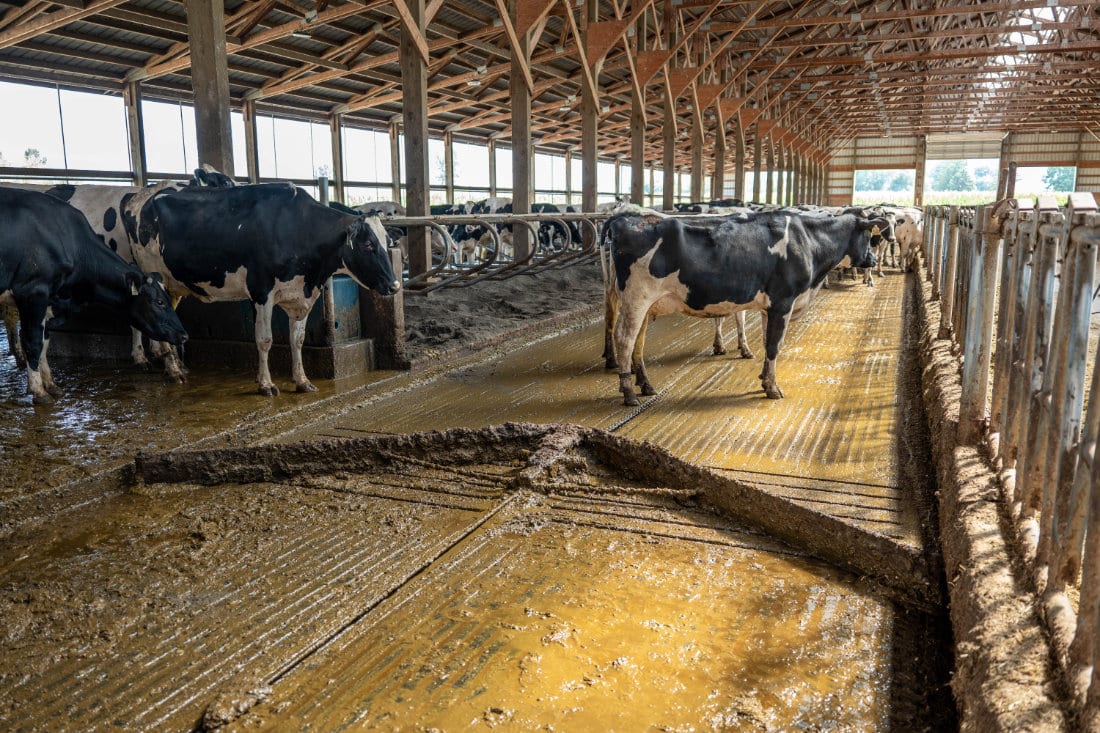
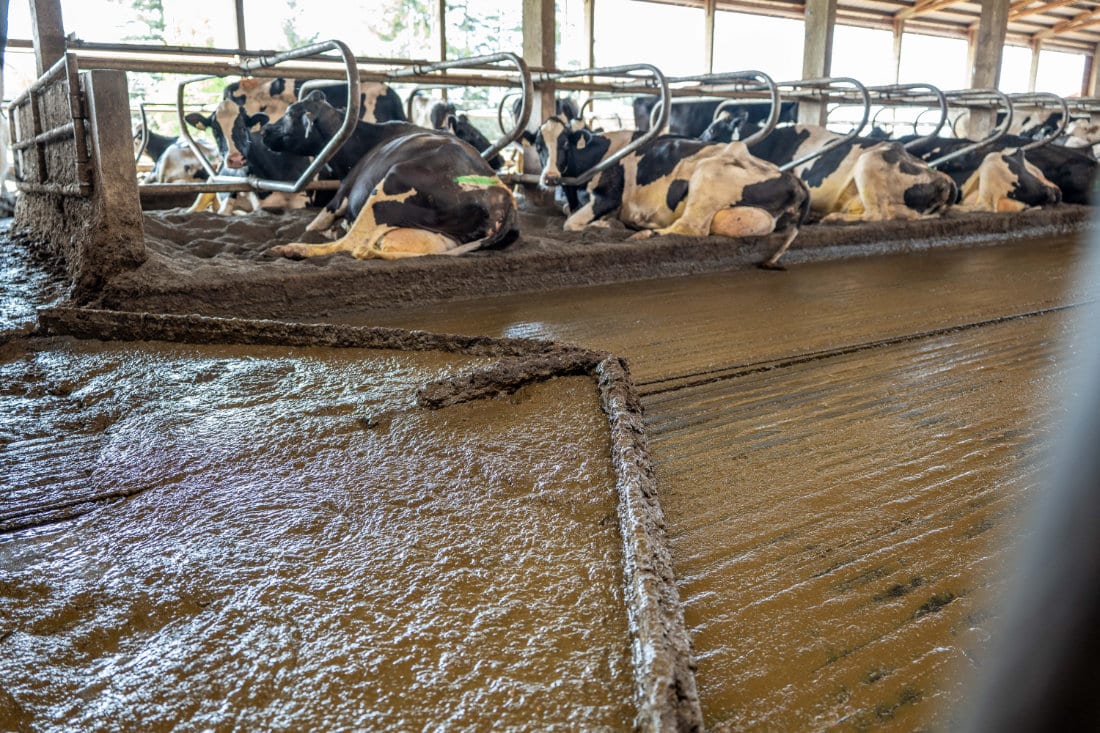
Clean, dry alleyways are the foundation of herd health – affecting hoof condition, body cleanliness scores, udder hygiene, mastitis incidence, and the milk quality that determines enterprise profitability. The EYS Manure Scraper range delivers that cleanliness automatically, across four system configurations – hydraulic, chain, steel rope, and channel – each engineered to match specific barn layouts, alley lengths, and operational requirements. Hot-dip galvanised construction, automatic and manual operating modes, programmable cycle timing, and load-sensing animal protection combine into the most complete, durable, and operationally flexible scraper system available.
Alleyway hygiene is not a secondary concern in dairy management, it is the environmental input that directly determines hoof health, body cleanliness, udder contamination risk, mastitis incidence, and the milk quality that flows from all four. A cow walking through contaminated, slippery alleys multiple times daily accumulates the hoof wall softening, pathogen exposure, and physical stress that compound into the lameness and mastitis costs that erode enterprise profitability quietly and persistently. A cow walking through clean, dry alleys does not. The EYS Manure Scraper range is the infrastructure that creates that difference; automatically, reliably, and across the full barn layout whatever its configuration.
Why Alley Hygiene Matters More Than It Appears
The connection between alley cleanliness and dairy performance is direct but often underestimated because its effects accumulate gradually rather than presenting as acute events. Manure contamination on alley surfaces softens hoof horn through prolonged contact, creating the vulnerability that allows pathogenic bacteria to establish in white line disease, digital dermatitis, and sole ulcer conditions. Those conditions reduce mobility, reduce lying time, reduce feed access, and reduce milk yield, all before they reach the threshold of veterinary intervention. Improving alley cleanliness frequency and consistency is one of the highest-return interventions available in lameness prevention, because it removes the primary substrate condition that the most common hoof diseases require.
The contamination pathway from alley to udder is equally direct. Cows lying in stalls adjacent to contaminated alleys transfer that contamination to bedding surfaces and through tail contact to udder skin. Teat end contamination is the primary infection route for environmental mastitis pathogens, and reducing alley contamination load is a measurable and cost-effective component of any mastitis control programme.
System Architecture: Matched to Every Barn
The EYS Manure Scraper range covers four distinct drive and deployment configurations, providing the selection flexibility to match scraper system specification precisely to barn dimensions, alley geometry, floor type, and manure pit location. The hydraulic scraper addresses the space and maintenance constraints of conventional chain and rope systems by eliminating the pulleys, ropes, and chains those systems require. A hydraulic cylinder drives the guide rails back and forth, powered by a hydraulic unit that operates with minimal energy consumption and without the tensioning adjustments and component wear that chain and rope systems accumulate across their service lives. The hydraulic system is compatible with varying alley lengths and multiple alley configurations, providing the installation flexibility that diverse barn geometries demand.
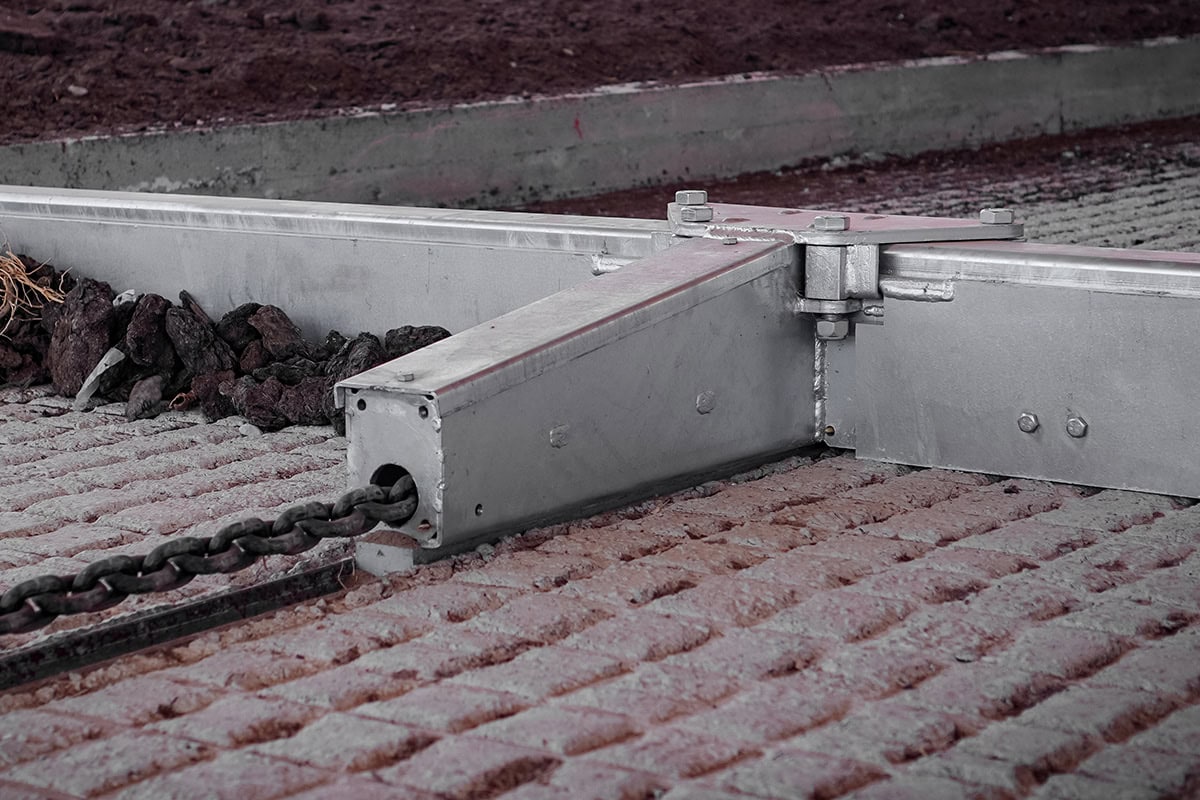
The chain scraper provides maximum durability for double-alley applications through a single drive unit and 13/36 heat-treated chain specification. The heat treatment process hardens the chain contact surfaces, extending service life under the sustained tensile and abrasive loading of daily scraping cycles. Load sensors embedded in the system detect the resistance signature of a downed cow in the alley or a mechanical obstacle blocking the scraper’s path, automatically stopping and reversing the system to prevent injury before resuming its programmed cycle. The drive unit is protected by a dedicated environmental cover that isolates the drive components from the corrosive conditions of the alley environment.
The steel or synthetic cable scraper uses a dual drive unit configuration with AISI 304 stainless steel Ø10mm rope to serve single and double alley barns across scraping lengths up to 200 metres. The dual drive principle; one unit releasing rope while the other pulls eliminates the tensioning requirements, adjustment complications, and level wind timing maintenance that single-drive rope systems demand. Cable tightening time is eliminated. Cable change time is greatly reduced. Drop slot location adjustments are minimised. And the overall maintenance burden of the steel rope system is substantially lower than conventional single-drive alternatives.
The channel scraper provides the manure transfer function required when the manure pit is not positioned at the barn end, a barn configuration that conventional scraper discharge systems cannot serve. Using steel rope and dual drive units on the same principle as the steel rope alley scraper, the channel system transfers collected manure from the alley discharge point to the pit location through the channel, completing the hygiene management chain from alley surface to storage without requiring barn infrastructure modification.
Programmable Control: Operational Intelligence
Every EYS scraper system operates through a programmable control panel that provides both automatic and manual operating modes. In automatic mode, cleaning cycle timing is set by the operator across the 24-hour period, with interval frequency adjustable to match the cleaning requirements of the herd size, manure production rate, and barn management priorities of each operation. More frequent cleaning cycles during high-traffic periods, reduced frequency during quiet hours, and manual override capability for immediate cleaning when required. The system runs the programme the operation needs, not a fixed cycle that may generate unnecessary running cost, unnecessary floor wear, and unnecessary animal disturbance at times when the barn does not require cleaning.
Animal Safety by Design
The load-sensing safety system is integrated into every EYS scraper configuration. When the system detects sustained resistance – indicating a downed cow in the alley, a foreign object blocking the scraper, or any mechanical obstruction, it automatically stops, reverses, pauses, and resumes its programmed path. This sequence repeats up to five times before the system determines that the obstacle cannot be cleared autonomously, at which point it shuts down and sounds an alarm to alert the operator. No mechanical damage is caused by a system that forces through an obstruction. The safety response is programmable, immediate, and operates without operator presence or intervention.
Construction and Long-Term Reliability
Hot-dip galvanised steel construction across all structural scraper components provides the corrosion protection that the combined chemical load of ammonia, urine, organic acids, and moisture in working dairy alley environments demands. Hot-dip galvanising penetrates the steel surface rather than coating it, providing structural protection that persists across decades of daily operational exposure rather than degrading from the surface inward. The investment in a hot-dip galvanised scraper system is an investment in infrastructure that outlasts the maintenance cycle of conventionally constructed alternatives by a significant margin.