Feed smarter, reduce wastage, produce more with a fully automated robotic feed system delivering precise, fresh, consistent nutrition 24/7.
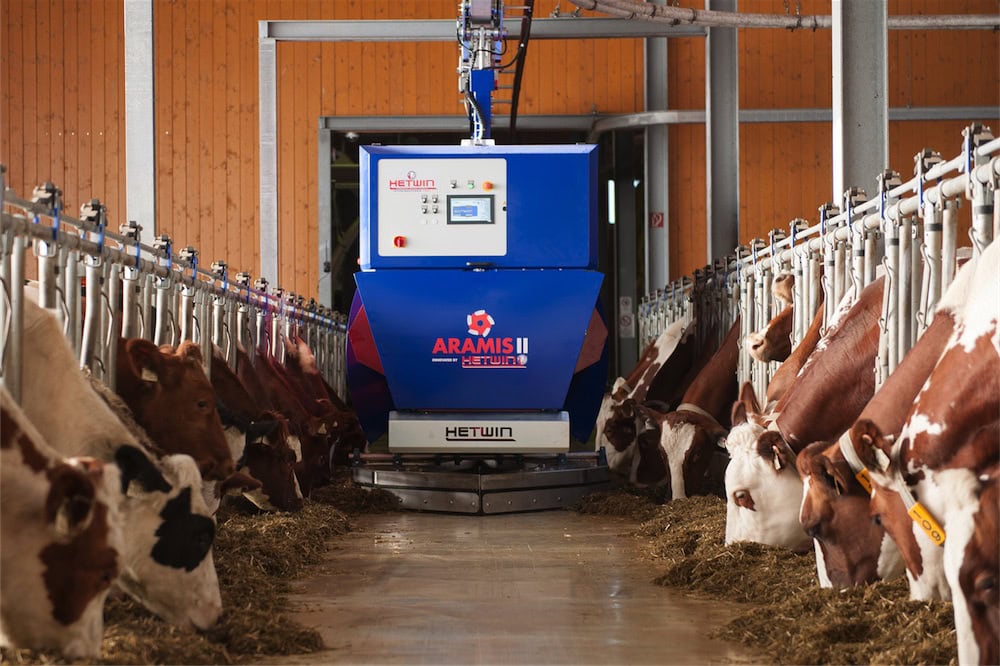
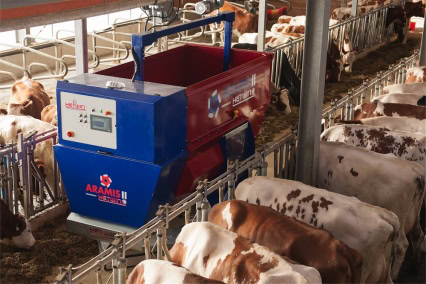
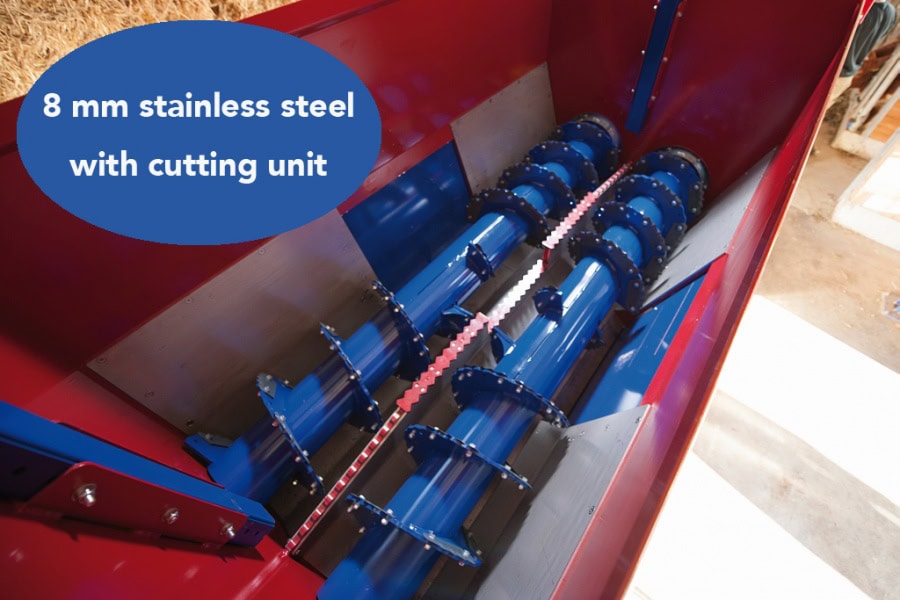
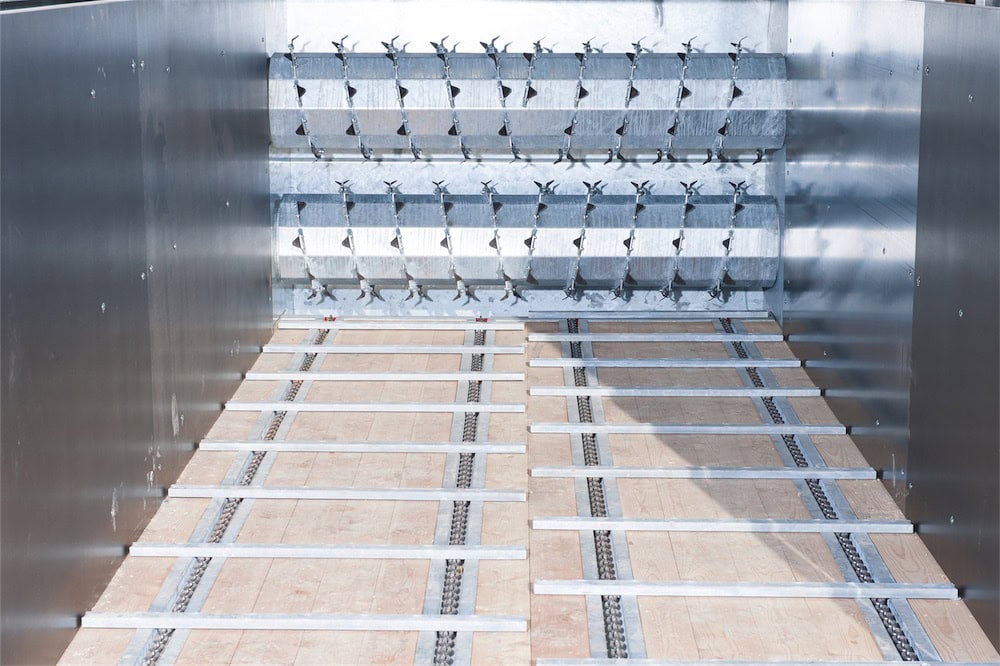
Inconsistent feeding costs production, compromises animal health, and demands labour that modern operations cannot afford to waste. The HETWIN ARAMIS 2 eliminates all three. Five functions; weighing, cutting, mixing, dosing, and conveying are consolidated into one continuous robotic process operating 24 hours a day, seven days a week. Precise fibre length control, flexible batch sizes from 50kg, and multi-day pre-loading capability deliver fresh, nutritionally consistent feed to every animal group, every time, without manual intervention. Fully adaptable for both dairy and beef fattening operations. A single automated system that serves multiple enterprise types without compromise to nutritional precision or system performance.
Feed management is one of the highest-leverage variables in modern dairy and beef production — and one of the most labour-intensive to execute consistently. The frequency, freshness, and nutritional accuracy of feed delivery directly determine dry matter intake, rumen function, body condition, and ultimately the milk yield and weight gain that define enterprise profitability. Conventional TMR feeding systems depend on operator availability, equipment scheduling, and manual accuracy — introducing the variability that costs production silently across every feeding cycle. The HETWIN ARAMIS 2 is engineered to eliminate that variability entirely.
System Architecture and Five-Function Integration
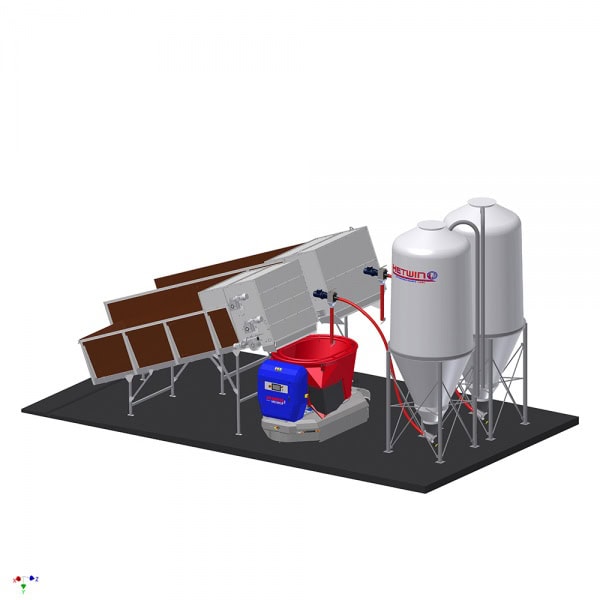
The ARAMIS 2 consolidates five discrete feed management functions — weighing, cutting, mixing, dosing, and conveying — into a single continuous robotic process. In conventional feeding systems, each of these functions represents a separate manual or semi-automated operation with its own labour requirement, accuracy limitation, and opportunity for inconsistency. Integrating them into one automated sequence removes every one of those failure points simultaneously. Weighing accuracy is maintained across every batch regardless of operator attention or shift variation. Cutting performance is consistent across silage types. Mixing achieves the precise fibre length and ration homogeneity that rumen function requires. Dosing delivers the correct ration quantity to each animal group without human measurement. Conveying delivers the finished ration to the feed face without manual handling. The result is a feeding process that performs to the same standard at 3am on a Sunday as it does at midday on a Monday — because it is executed by the system, not by the availability and accuracy of available labour.
Horizontal Mixing and Fibre Length Precision
The ARAMIS 2’s horizontal mixing system provides precise fibre length determination — a feeding parameter that directly influences rumen mat formation, buffer capacity, and the fermentation dynamics that govern both milk fat percentage and overall digestive health. Inconsistent fibre length — a common consequence of vertical auger mixing systems operated under time pressure — is a known driver of subacute ruminal acidosis (SARA) and the production losses that follow. Horizontal mixing with controlled fibre length output removes that risk from the feeding programme, delivering the ration specification that the nutritionist designs rather than an approximation of it.
Batch Flexibility and Herd Adaptability
The ability to process batch sizes from as little as 50kg makes the ARAMIS 2 genuinely effective across a far wider range of herd configurations than conventional automated feeding systems. Fresh cow groups, transition animals, heifer groups, and specialised nutritional categories — all of which require small, accurately formulated rations delivered frequently — are served with the same precision as the main milking herd. Large operations benefit from continuous high-throughput delivery. Smaller operations benefit from the same nutritional accuracy without the minimum batch size constraints that make some automated systems impractical at lower scale.
Silage Handling Versatility
The dedicated cutting system handles both silage blocks and unpressed silage without reconfiguration or operator intervention. This versatility is operationally significant — silage management practices vary across operations, seasons, and forage types, and a feeding system that requires consistent silage presentation to function effectively creates a dependency that limits operational flexibility. The ARAMIS 2 accommodates the silage format the operation uses rather than requiring the operation to adapt to the system.
Operational Flexibility Through Multi-Day Pre-Loading
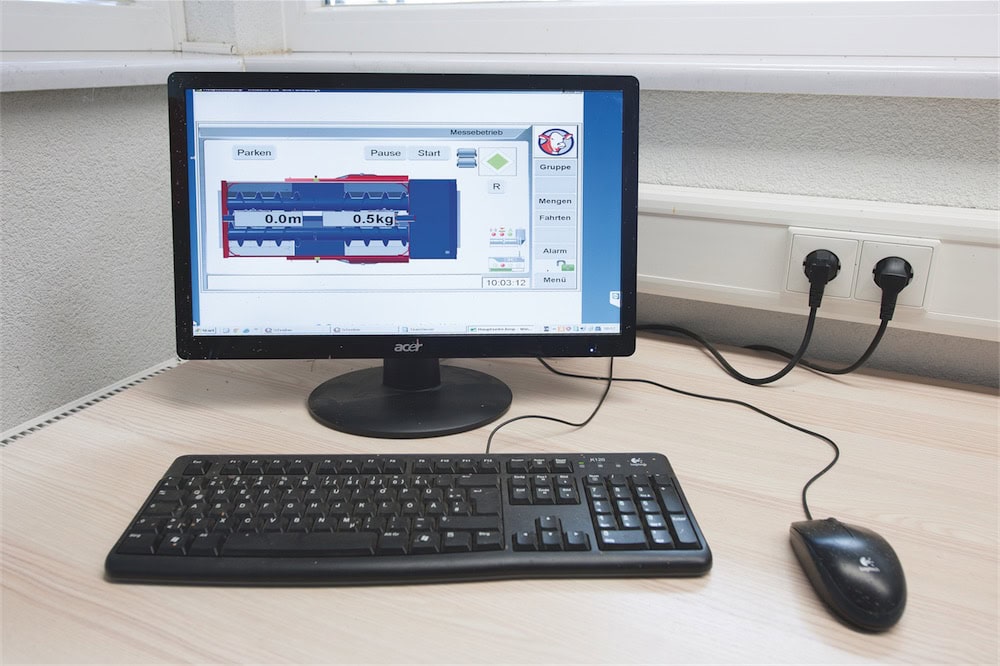
The ARAMIS 2 feeding programme can be pre-loaded in advance, allowing the system to operate independently across multiple days without daily reprogramming or operator input. This capability transforms the system’s practical value in operations where weekend coverage, staff leave, or irregular working patterns would otherwise create gaps in feeding consistency. The system maintains the feeding schedule the programme specifies, regardless of operational circumstances — delivering the management continuity that consistent animal performance requires.
Dual Enterprise Suitability
The ARAMIS 2 is equally specified for dairy and beef fattening operations, a genuine dual-enterprise capability that reflects the system’s nutritional precision across different production objectives. Dairy rations optimised for milk production and beef rations formulated for efficient weight gain are both delivered with the same weighing accuracy, mixing consistency, and delivery reliability. For mixed enterprises or operations considering future diversification, the ARAMIS 2 provides the automated feeding infrastructure that serves both without compromise.
The Return on Automated Feed Management
The economic case for the ARAMIS 2 is built on three compounding returns: the production gain from consistent, fresh, nutritionally accurate feed delivery; the labour cost reduction from eliminating manual feed management across every day of the year; and the feed efficiency improvement from precise weighing, dosing, and waste elimination. Each return compounds across the operational life of the system — making the ARAMIS 2 not a cost of automation, but an investment in the feeding consistency that modern production targets demand.
Talk to the AGRIPRO team about herd configuration, feed programme requirements, and ARAMIS 2 specification for your operation.